If you've just arrived in the U.S., you may be surprised to learn that a driver's license isn't only what you need to drive. It also works as an ID, a bit of everyday American know-how many people only discover when they get here! A U.S. driver's license lets you drive legally, and it's also the main document you'll use to prove who you are in daily life.
In this article, I'll walk you step by step through getting a U.S. driver's license: how to prepare your documents, how to pass the tests, and even how your license becomes your "all-purpose ID" in everyday life.
1. Why can a driver's license be used as ID?
In the U.S., a driver's license isn't only what you need to drive. In many situations it's also treated as your main proof of identity. From getting into a bar and opening a bank account to boarding a plane or buying alcohol, you'll probably need to show your driver's license. That makes it the "ID card" of life in the U.S., and it's very convenient!
2. Basic requirements for a driver's license
The rules vary a little from state to state, but the basic requirements usually include:
- Age: most states require applicants to be at least 18; anyone under 18 needs consent from a parent or guardian.
- SSN or ITIN: a U.S. Social Security Number (SSN) or Individual Taxpayer Identification Number (ITIN). If you're on a work visa, you'll usually have one of these numbers.
- Proof of address: you'll need recent proof of address, such as a utility bill or bank statement.
3. How to prepare for the tests
- Written test: In most U.S. states, you have to pass a written test before you can get a driver's license. It covers basic knowledge such as traffic rules and recognizing signs. You can find study materials, and even practice questions, on each state's DMV (Department of Motor Vehicles) website.
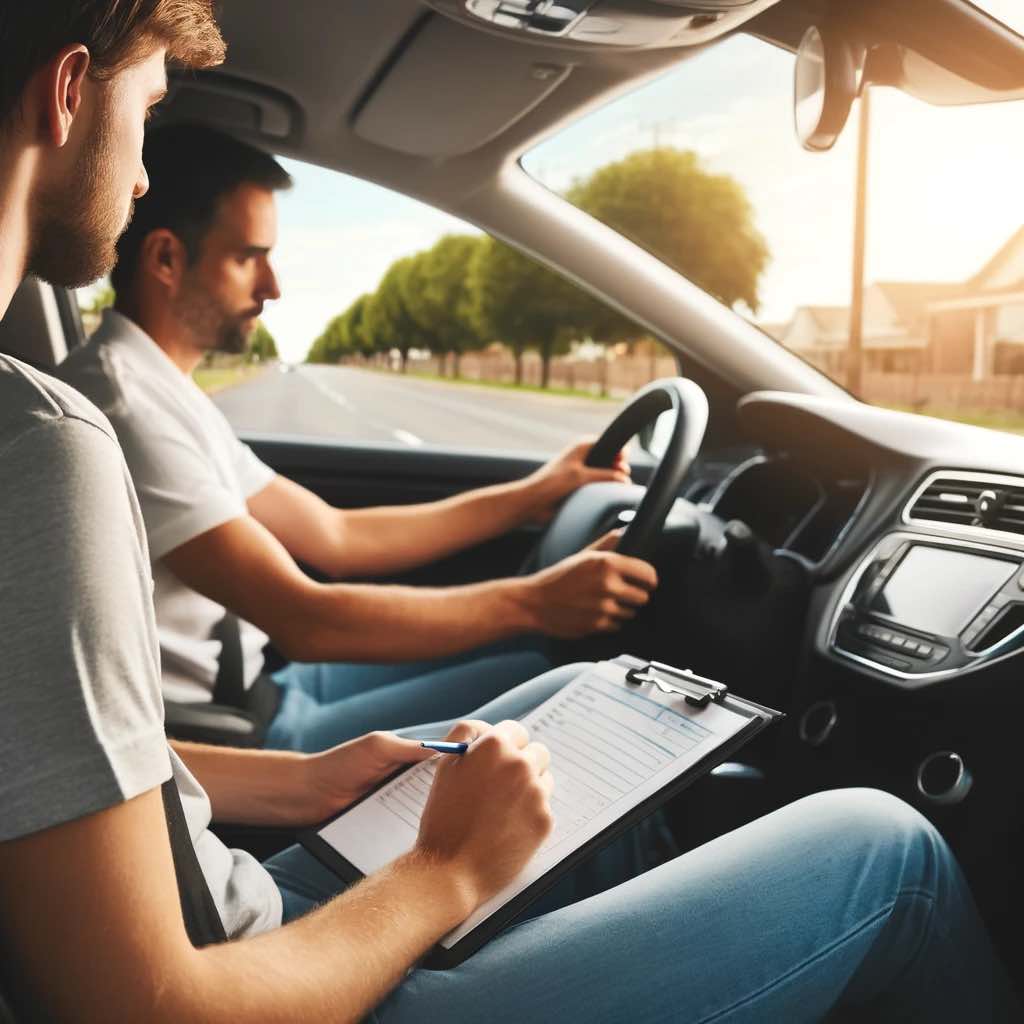
- Road test: Once you pass the written test, you'll also need to take a road test. This is a hands-on test of you actually driving a car, and the examiner scores you on how well you follow traffic rules and how well you drive.
How to prepare for the U.S. driver's license written test (Written Test)
The written test is the first step every driver has to pass. It tests your understanding of U.S. traffic rules, signs and driving laws. Here are some key points for preparing:
- Study the handbook: every state has its own driver's handbook, and it's your most important resource for the written test. Most states offer a free PDF version, which you can even download from your local DMV (Department of Motor Vehicles) website. Make sure you know the traffic signs, traffic rules and DUI laws.
- Use practice tests: many websites and apps offer free practice driver's license tests, which help you check what you've learned and get used to the test format. Try a website like DMV Permit Test for practice.
- Pay attention to state rules: written test questions differ from state to state, so make sure you study your local driver's license rules. For example, California's written test may ask more about bike lanes or vehicle emissions standards, while New York may focus on traffic safety and emergency driving.
- Test-taking tips: the written test is usually multiple choice, so read the details of each question carefully and choose the best answer. When you're not sure, try ruling out the least likely options, which can sometimes improve your chances of getting it right.
How to prepare for the U.S. driver's license road test (Road Test)
I strongly recommend practicing with an instructor who speaks your language! On test day you can also borrow the instructor's car, which improves your chances of passing. The road test is how the examiner evaluates your actual driving. The examiner watches how you drive, and it's not just about driving skills: it's also about whether you follow traffic rules and respond correctly to traffic signs. Here are some tips for preparing for the road test:
- Practice the basics: before you start practicing on the road, make sure you're very comfortable with the basic controls, including steering, the gas pedal, the brakes and shifting gears. Practice starting, stopping and backing up a lot, since these are common parts of the road test.
- Know what the road test covers: road test requirements vary a little by state. In general, you'll be asked to do the following:
- Changing lanes
- Parking in a space
- Backing up in a parking lot
- Turns and stop signs
- Driving forward and in reverse
- Defensive driving: keeping a safe distance, checking your mirrors, using your turn signals and so on.
- Practice the rules of the road: make sure you know what traffic signs really mean and how to follow the law at intersections, while driving and when parking. For example, how to use your turn signal correctly when turning, and whether you need to set the parking brake when you park.
- Pick the right place to practice: practice somewhere quiet. Start in an open, empty area, then gradually move to busier roads so you get used to different driving situations.
- Stay relaxed: staying calm on test day is very important. If you make a small mistake, don't panic. Keep driving and focus on what comes next. What the examiner mostly wants to see is whether you can stay calm and make the right decisions while actually driving.
Why you need an instructor for the road test
In the U.S., many people hire a professional driving instructor to help them prepare for the road test. It improves your driving and gives you a deeper understanding of the rules of the road. Here are a few reasons you need an instructor:
- Professional guidance, fewer detours
For new drivers, a professional driving instructor can guide you on everything from driving technique to traffic rules. The instructor will teach you how to prepare for and handle the different situations on the road test, helping you avoid unnecessary mistakes. - Know your local test standards
Road test standards and routes vary a little by state. An instructor knows the local requirements and can take you to the test site for practice drives, so you practice in the real setting and improve your chances of passing. - Build confidence
For many newcomers, the road test is a very stressful challenge. With an instructor by your side, you'll feel less anxious and stay calmer, and the test won't seem so scary. After plenty of practice, you'll also feel more confident in front of the examiner. - Safety first
The point of the road test is to make sure you can drive safely. An instructor will stress defensive driving and help you stay alert and follow traffic laws whenever you drive. This isn't only about passing the test; it's about your safety and everyone else's. - Know how the test works
Passing a driver's license test often depends not only on your driving skills but also on how you handle each step of the test. An instructor will teach you how to do well on the road test and meet each requirement, which helps you get through it more smoothly.
Choosing the right driving instructor
When choosing a driving instructor, go with an experienced professional who will tailor lessons to your needs. Here are a few ways to find the right instructor:
- Driving school referrals: most driving schools offer professional road test prep courses taught by experienced instructors.
- Online searches and reviews: many platforms let you read reviews of instructors and feedback from past students, which helps you choose one who suits you.
- Recommendations from friends or family: if friends or family have hired a good instructor, ask them for a recommendation. That's usually a safer bet.
All in all, having a professional driving instructor help you prepare for the road test can help you learn to drive faster and go into the test confident, raising your chances of passing!
Extra tip: practice drives and mock tests
If you're still preparing for the written test or the road test, find an experienced friend or a driving school teacher to go with you for practice drives or mock tests. This helps you get familiar with driving conditions and learn how to handle different situations in real traffic, which does a lot for your confidence.
4. How driver's license applications differ by state
Each state's specific requirements and procedures for a driver's license may differ. Visit your local DMV website to confirm the exact requirements, or book your road test and written test ahead of time.
5. Using your driver's license as ID
Once you have your driver's license, you'll find it's needed everywhere. Whether you're renting a home, opening a bank account, buying alcohol or even boarding a plane, your driver's license helps you prove who you are. For anyone new to the U.S., it's definitely a must-have.
6. Tips: how to avoid common mistakes when applying for a driver's license
- Make sure you have all your documents and supporting paperwork.
- Start studying for the written test early, and learn the basic skills the road test requires.
- If you're a new immigrant, you may need to get an SSN first; many states require it.
Final thoughts
A driver's license is one of the most important forms of ID for life in the U.S. Understanding each step and requirement, from the application to everyday use, will help you settle into American life faster. If you have any other questions, come back anytime for more details, and may your time in America go even more smoothly!